
Last updated August 25, 2026
Free on-site gate assessment - hinges, posts, and your LiftMaster or Nice gate operator checked before anything is quoted
The assessment is free and the quote is the invoice.
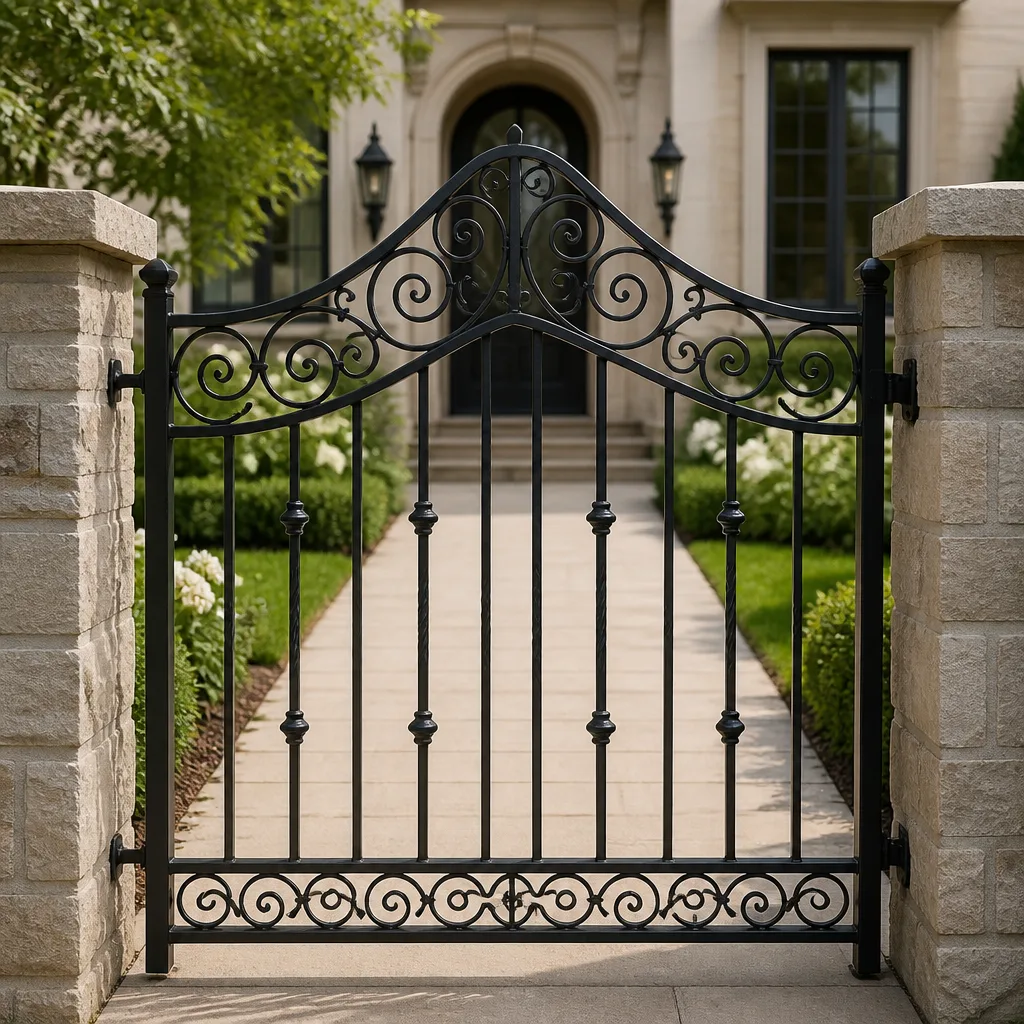
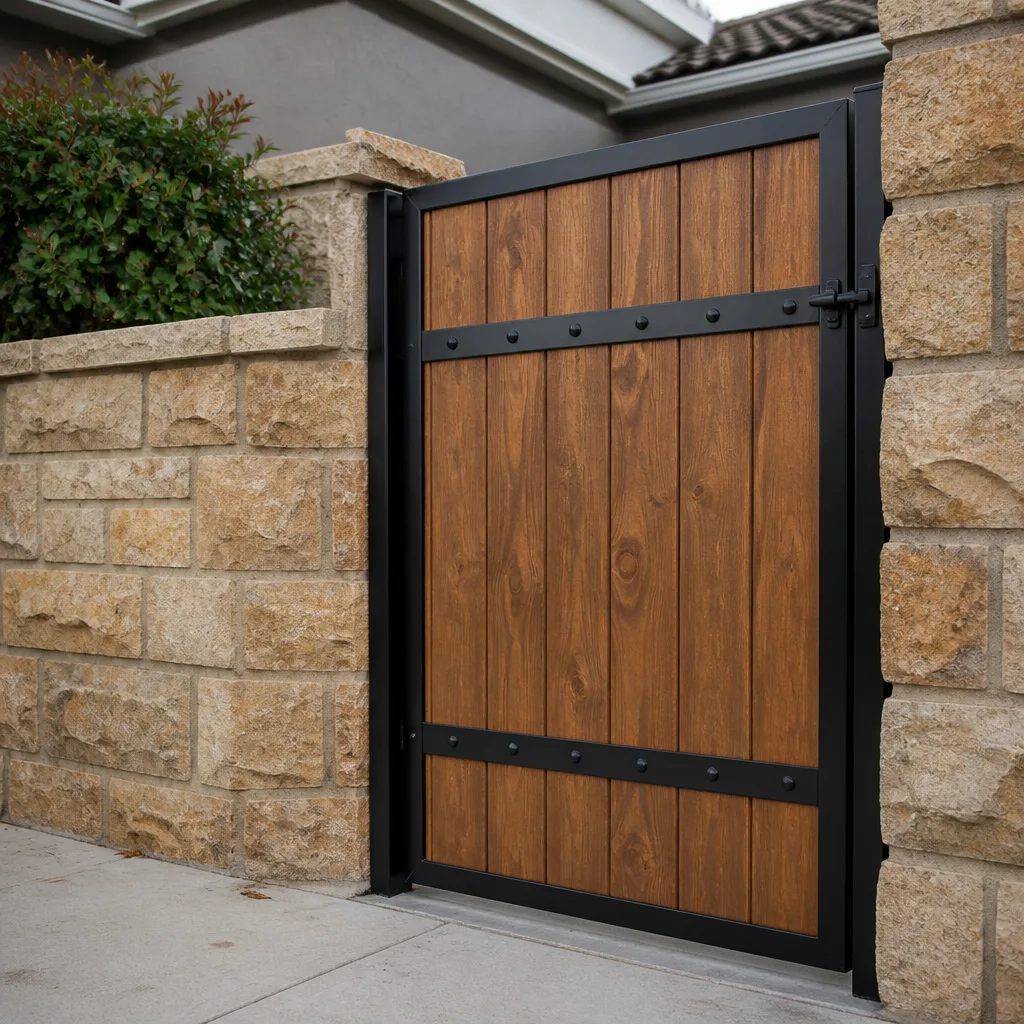
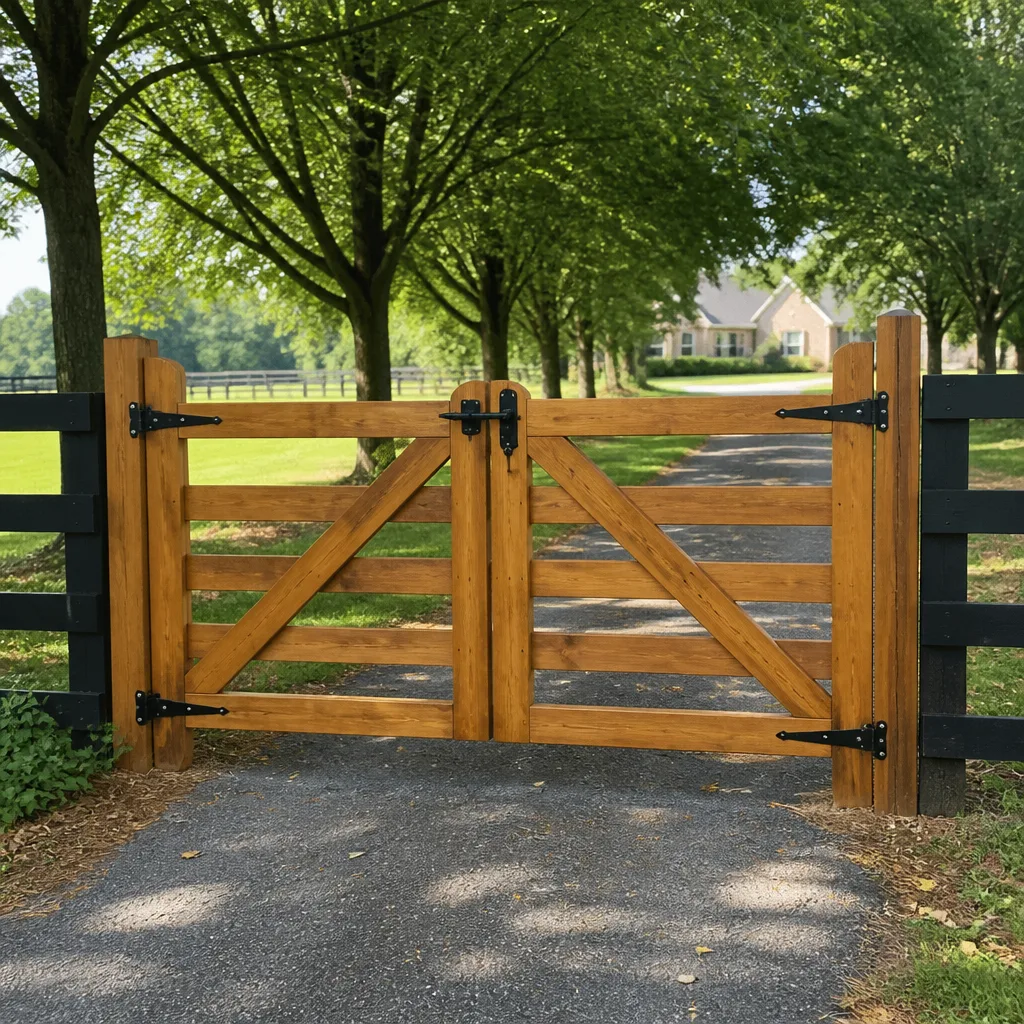
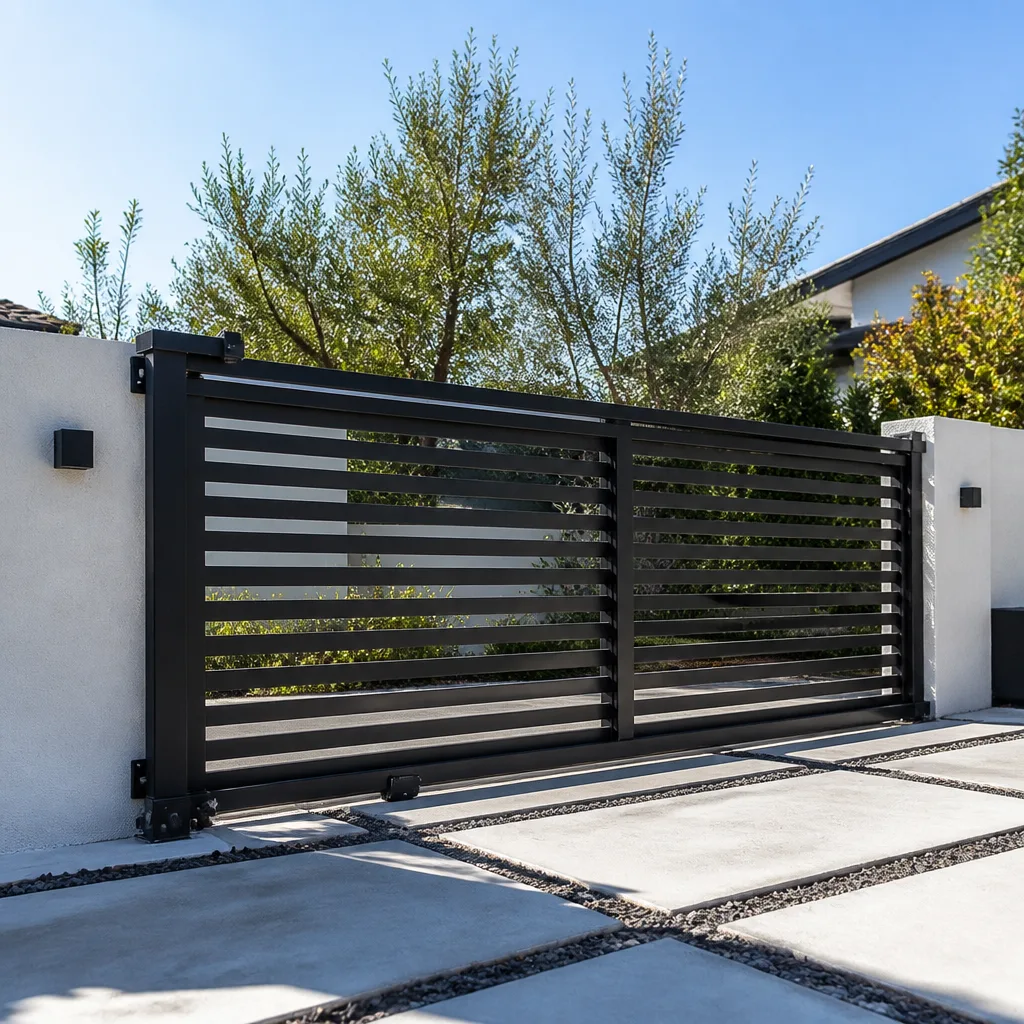
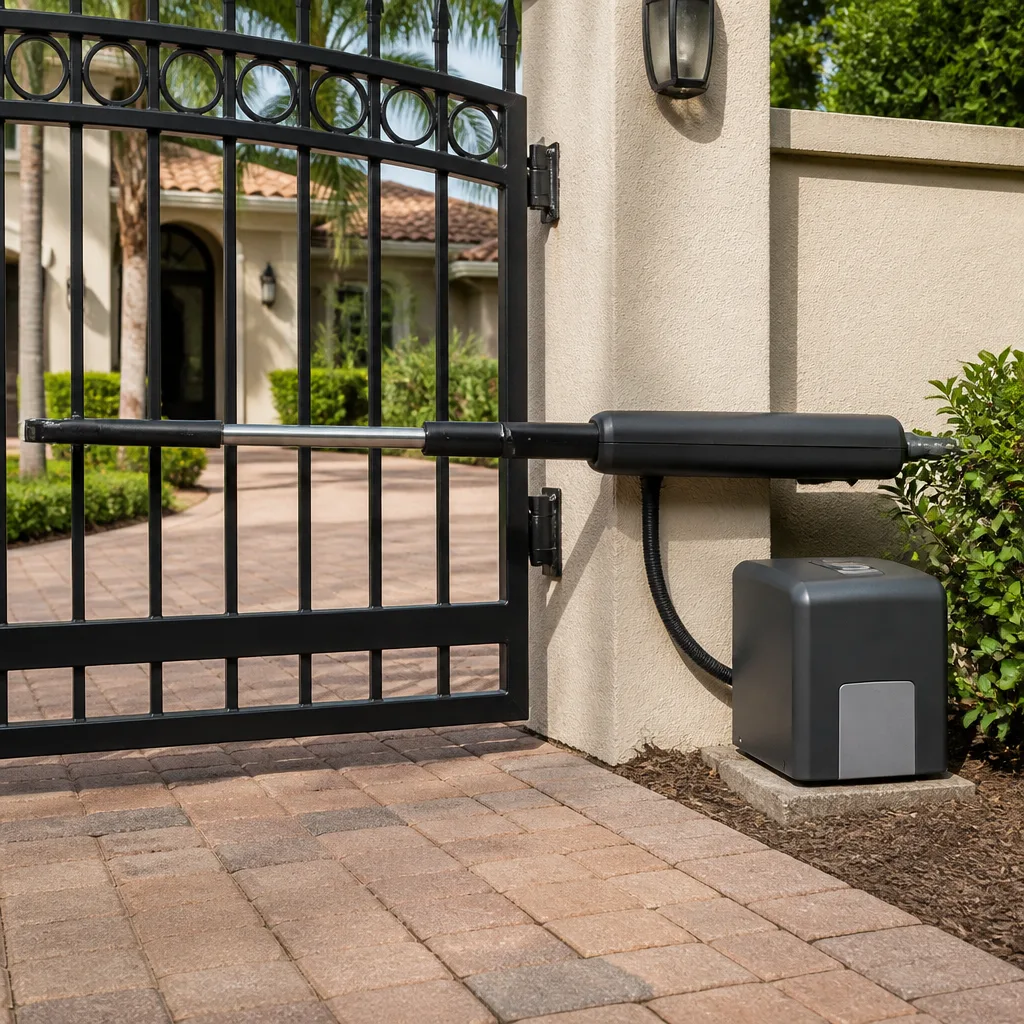
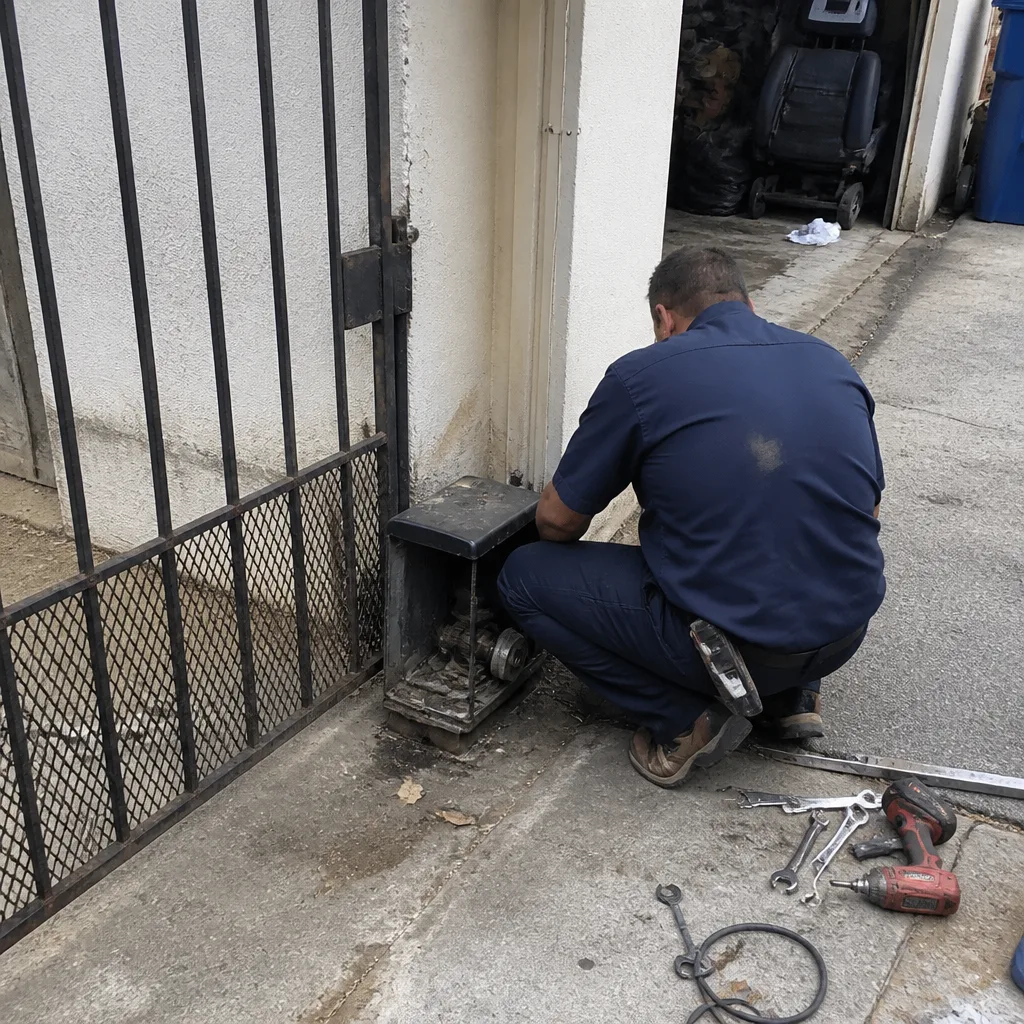 Before
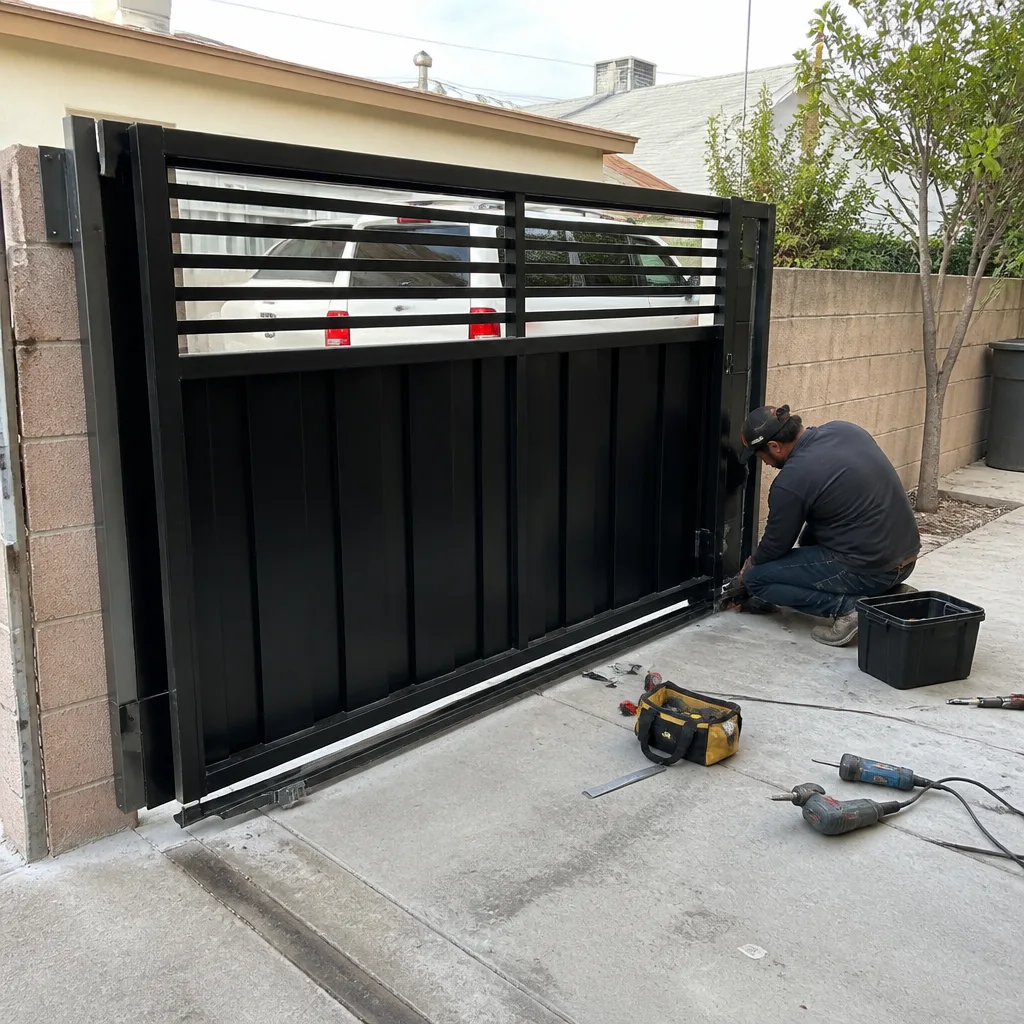 After
After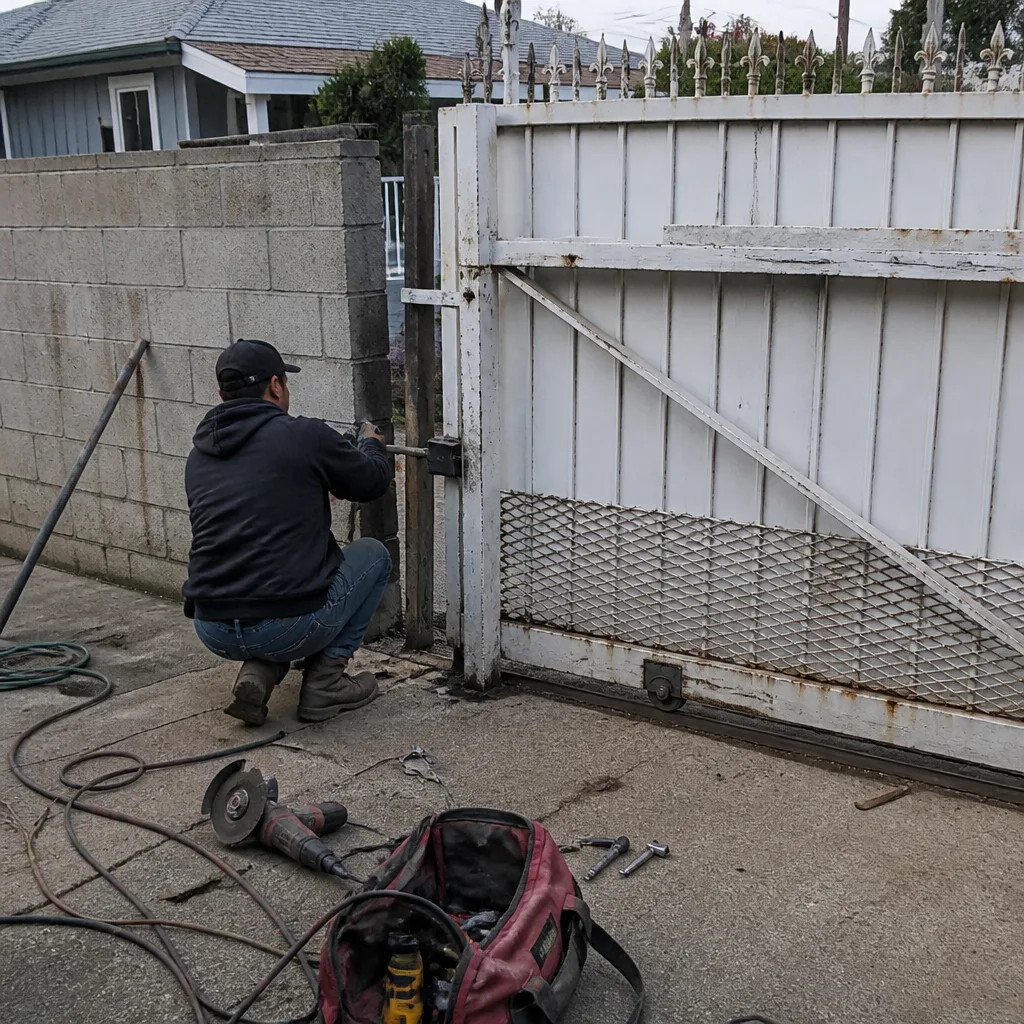 Before
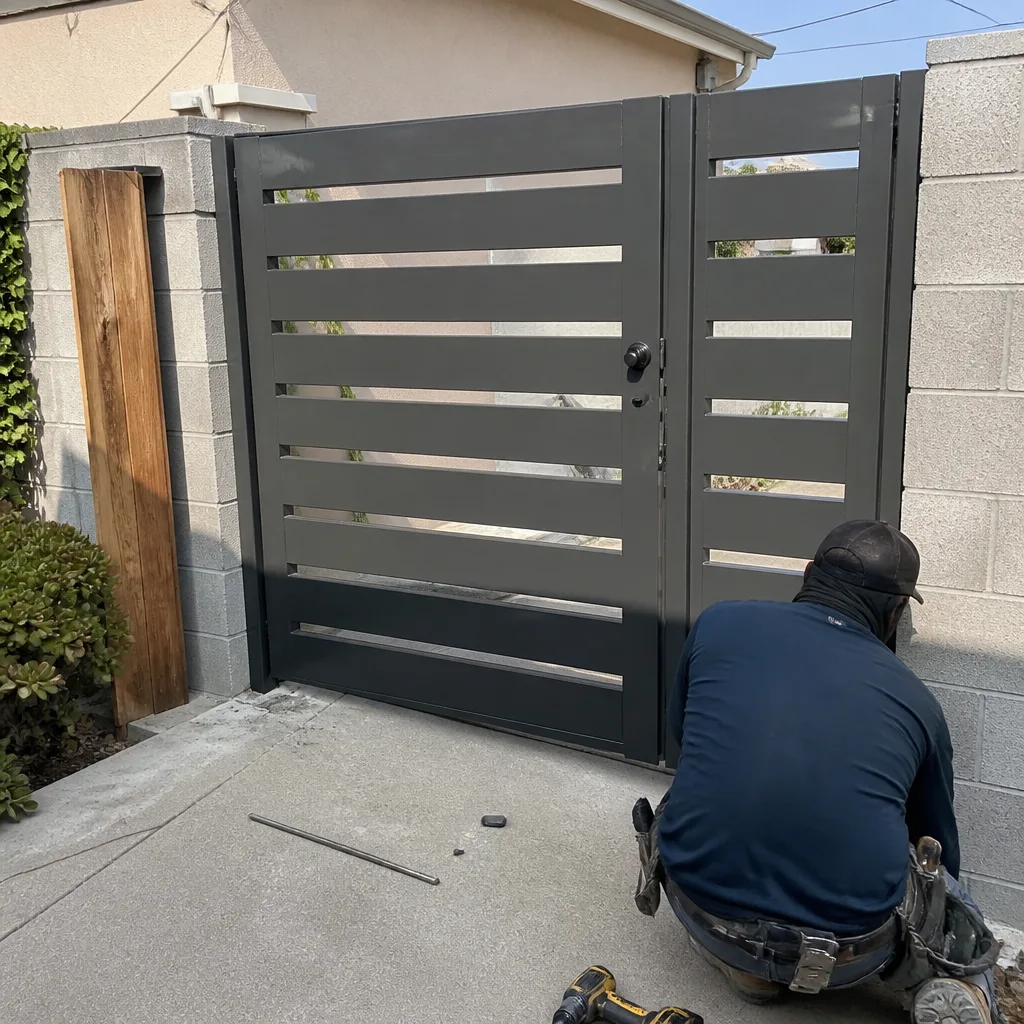 After
After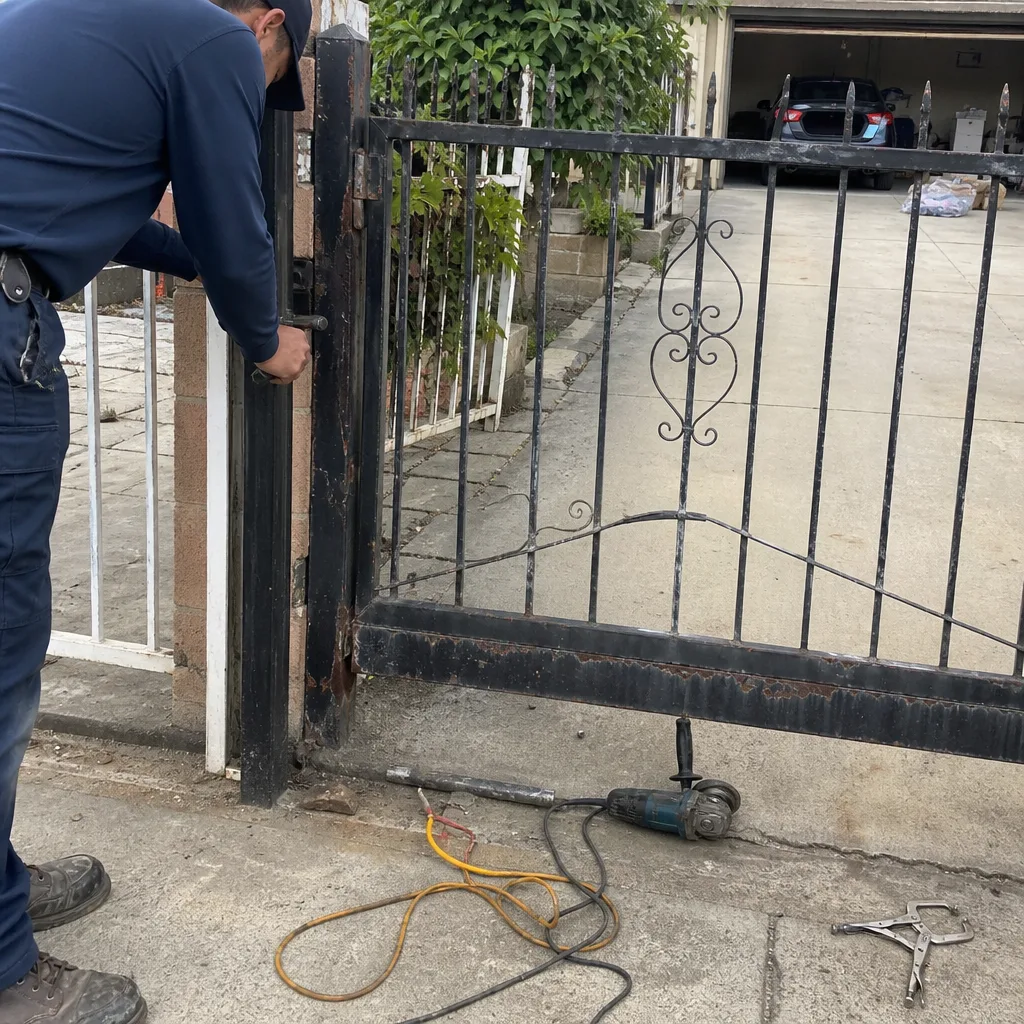 Before
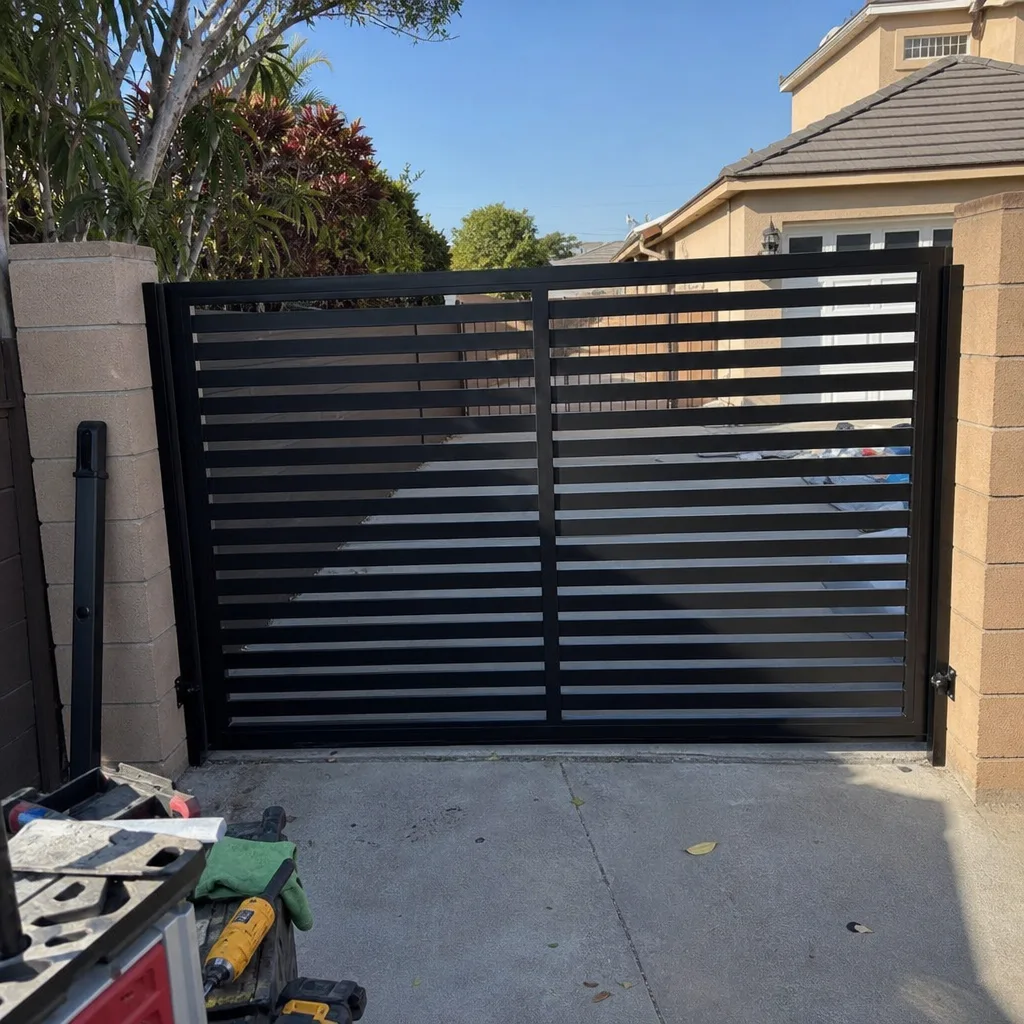 After
AfterThe Complete Guide to Gate Repair in Huntington Park
Most automatic gates in Huntington Park fail for the same three reasons: a tired capacitor, a misaligned photo eye, or a hinge that’s been carrying more weight than it was ever designed to hold. The gate itself, the heavy steel or wrought iron part, is rarely what breaks. It’s the small components around it, working against decades of sun, smog, and the particular grit that settles over Southeast LA. This guide covers how to diagnose gate problems without getting hurt, what repairs actually cost in Huntington Park, which fixes are worth doing yourself, and when the smartest move is picking up the phone. You’ll learn what a fair price looks like, what questions to ask any contractor, and why some gates from the 1980s still open as smooth as the day they were hung.
Quick Answer
Gate repair in Huntington Park generally costs between $180 and $650, depending on whether the problem is mechanical (hinges, wheels, track) or electrical (motor, control board, sensors). Most repairs take two to four hours and can be completed in a single visit by a technician who carries common parts on the truck. The biggest cost driver is which brand of opener sits on your gate: a LiftMaster or FAAC motor is easier to source than a discontinued Viking or Ghost Controls board.
Table of Contents
- The Most Common Gate Problems We See in Huntington Park
- How to Diagnose Your Gate Before You Call Anyone
- What Gate Repair Costs in Huntington Park
- Gate Opener Brands: What’s on Your Driveway Matters
- Slide Gates vs. Swing Gates: Different Problems, Different Repairs
- What You Can Fix Yourself, and What You Shouldn’t Touch
- How to Choose a Gate Repair Company in Huntington Park
- Common Mistakes to Avoid
- When to Call a Professional
- Frequently Asked Questions
- The Bottom Line
The Most Common Gate Problems We See in Huntington Park
Huntington Park is a city of older homes, many built between the 1920s and 1960s, and a good number of those properties have gates that have been standing for thirty or forty years. The metal holds up. The moving parts do not. We regularly get called out to homes near Salt Lake Park and along Gage Avenue where a gate that looked perfectly fine last week now refuses to budge. Here’s what’s usually going on.
The single most common issue is a gate that opens partway, then stops and reverses. This is almost always a safety-sensor problem. Every automatic gate in Huntington Park is required to have photo eyes or edge sensors that stop the gate if something is in the way. When those sensors get dirty, sun-baked, or knocked out of alignment by a delivery truck, the gate behaves like it’s haunted. It starts, hesitates, and gives up.
Close behind is the gate that makes sound but doesn’t move. The motor runs, you hear a hum or a click, and nothing happens. On a chain-driven slide gate, that’s usually a broken chain or a sheared sprocket key. On a swing gate, it’s often a failed capacitor, the small cylinder that gives the motor its starting jolt. Capacitors wear out on a predictable schedule in Huntington Park’s heat, especially on south-facing properties that get full sun from noon to sunset.
Third on the list: a gate that sags. One corner dragging on the concrete, the latch no longer lining up with the post. This is a hinge problem, plain and simple. Wrought iron gates are heavy, often 300 to 600 pounds, and hinges bear that weight every single day. When a hinge pin wears or a weld starts to crack, the gate settles. Left alone, a sagging gate eventually tears the hinge off the post entirely.
Other problems we see week in and week out: keypads that work intermittently (usually corrosion on the wire terminals), remotes that stopped working after a battery change (you’d be surprised how often the new battery goes in upside down), and gates that close too hard against the stop (a limit-switch adjustment). None of these are mysteries to a trained technician. But diagnosing them over the phone without seeing the gate is guesswork, which is why Ironworks Gate Co. home built its whole service model around showing up fast and diagnosing in person.
How to Diagnose Your Gate Before You Call Anyone
Before you pick up the phone, there are a handful of things you can check yourself. These won’t fix the gate, but they’ll save you a service call if the problem turns out to be something simple. They’ll also give you a clearer picture to describe to whoever you do call.
- Check the power. Automatic gates run on either 110V or low-voltage solar. If your gate is plugged into an outlet, confirm the outlet has power. It sounds obvious, but we’ve arrived at more than one Huntington Park home where a tripped GFCI outlet in the garage was the entire problem. Check your breaker panel too, especially after any rain or electrical work.
- Look at the sensors. The photo eyes sit low on each side of the gate opening, usually six to eighteen inches off the ground. Are the small lights lit? Are the lenses clean? Is anything leaning against one of the posts that could have shifted the beam? Wipe the lenses with a dry cloth and make sure both units are facing each other squarely.
- Try the manual release. Most openers have a keyed release or a pull cord that disconnects the gate from the motor. If you can open the gate by hand with the release engaged, the motor or the controls are the problem, not the gate itself. If the gate is hard to move even by hand, you have a mechanical issue: hinge, wheel, or track.
- Inspect the hinges and wheels. Look at where the gate attaches to the post. Is there a visible gap? Rust dust around the hinge pin? Does the gate wobble when you push on it? For slide gates, check the wheels or rollers on the bottom track. A broken wheel will make the gate grind and lurch.
- Listen to the motor. Press the remote and put your ear near the motor housing. A healthy motor makes a steady, confident hum. A motor that clicks, buzzes, or sounds strained is telling you something specific: a bad capacitor, a worn gear, a binding gate.
These five checks take ten minutes and cost nothing. They’ll help you describe the problem accurately when you call a repair company. They won’t replace a professional diagnosis, but they’ll often reveal whether you’re dealing with a $90 fix or a $600 fix before the truck even rolls.
What Gate Repair Costs in Huntington Park
Nobody likes surprises on an invoice, and gate repair has a reputation for generating them. That reputation exists because some companies quote low over the phone and then pad the bill once the work is underway. The way to protect yourself is to know what things cost before you make the call. Here’s what current Huntington Park pricing looks like for the most common repairs, based on what we see in the field across this part of LA County.
| Repair Type | Typical Range | What Affects the Price |
|---|---|---|
| Sensor adjustment or cleaning | $75-$150 | Usually a service-call fee plus labor; no parts needed |
| Capacitor replacement | $120-$200 | Part cost is low; labor is the bulk |
| Remote programming or replacement | $60-$120 | Brand compatibility; aftermarket vs. OEM remotes |
| Hinge replacement (single gate) | $250-$450 | Weight of gate; whether welding is required |
| Wheel or roller replacement (slide gate) | $180-$350 | Number of wheels; track condition |
| Control board replacement | $350-$700 | Brand and age of opener; board availability |
| Full motor replacement | $700-$1,400 | Opener brand, gate weight, swing vs. slide |
These are honest ranges for the Huntington Park market in 2025. They assume a licensed, insured company that stands behind its work, not a cash-only handyman who might disappear if the fix doesn’t hold. The spread within each range depends mostly on your opener brand. A LiftMaster control board is widely available and reasonably priced. A discontinued FAAC or BFT board can require a supplier search that adds cost. This is one reason we maintain service capability on nine major automation brands, including LiftMaster, FAAC, BFT, and Linear, so we’re not the company that tells you your old opener is “unfixable” just because we don’t stock the part.
One more thing about cost: any reputable company quotes the price before the work starts and doesn’t charge more unless both parties agree to a change in scope. If a contractor won’t put the number in writing before they begin, find another contractor. In Huntington Park, that written quote should stand on its own.
Gate Opener Brands: What’s on Your Driveway Matters
Not all gate openers are the same, and the difference matters more than most homeowners realize. The brand on your motor determines which technician can actually fix it correctly, which parts are available, and how long the repair will last. We’ve lost count of the number of Huntington Park gates we’ve been called to fix a second time, after another company did a “universal” repair that didn’t account for the specific opener in use.
LiftMaster is the most common brand in the Huntington Park area, and for good reason. Parts are stocked everywhere, boards are readily available, and most technicians have seen dozens of them. A LiftMaster repair is usually fast and straightforward. The downside is that LiftMaster openers vary widely by model year, and a tech who only knows the current models can misdiagnose a two-decade-old unit.
FAAC is the workhorse of the estate-gate world. These Italian-made hydraulic and electromechanical openers are built to move heavy iron gates for decades. They’re also more temperamental than domestic brands, with specific hydraulic-fluid requirements and pressure adjustments that need a careful hand. A FAAC opener on an 800-pound gate is a beautiful thing when it’s set right, and a headache when it’s not.
BFT openers are common on mid-sized residential gates across Southeast LA. They’re solid units, but their control boards have a reputation for being sensitive to power surges. In Huntington Park, where the local grid can be uneven and summer heat pushes air conditioners hard, a BFT board that dies suddenly is a regular sight. Surge protection is worth adding to any BFT gate.
Linear is what you’ll often find on the budget-friendly end of the market, installed at tract-home developments from the 1990s and 2000s. Linear openers are simple, reliable, and inexpensive to repair, though they lack the refinement of a FAAC or the parts availability of a LiftMaster. They’re perfectly fine for a lightweight to mid-weight gate.
The practical takeaway for a Huntington Park homeowner is this: find out which brand is on your gate before you call for service. The opener will have a model plate on it, usually on the motor housing or the underside of the cover. Knowing that brand speeds up the diagnosis and makes it far more likely the first visit gets it done.
Slide Gates vs. Swing Gates: Different Problems, Different Repairs
Huntington Park has both types of gate in abundance. The older neighborhoods west of Pacific Boulevard lean heavily toward swing gates, the classic wrought iron double doors that open outward or inward. The newer developments and many commercial properties use slide gates, which roll sideways along a track or cantilever overhead. They fail in different ways, and the repairs are not interchangeable.
Swing gates fail at the hinges first, always. The entire weight of the gate, hundreds of pounds, is focused on two or three hinge points. Over years of opening and closing, the hinge pins wear, the plates loosen, and the gate begins to sag. The outward signs are easy to spot: the gate scrapes the ground at the far edge, the latch misses the catch, the gate gets harder to open manually. The fix involves replacing the hinges, and on older wrought iron, often re-welding the hinge plates to the gate frame. Swing gates also suffer from actuator problems; the arm that pushes and pulls the gate has a lifespan, usually eight to twelve years in full Huntington Park sun, and when it fails the gate simply won’t move.
Slide gates fail at the wheels and the track. A slide gate rides on steel wheels or nylon rollers, and those wear down over time, especially if the track collects dirt and leaves. The gate starts to drag, then grind, then lurch. The motor, which was sized for a smooth-rolling gate, now has to push against resistance, which shortens its life. We also see chain problems on slide gates: chains stretch, links break, and sprockets strip their teeth. A slide gate with a broken chain is an odd sight, the motor running happily while the gate sits motionless, and it’s one of the easier repairs when caught early.
If you’re trying to maintain your own gate, the daily habits differ by type. Swing gates want hinge lubrication twice a year and a check that the actuator arm isn’t rubbing. Slide gates want the track kept clean and the wheels greased. Both want the sensors kept clean and the metal protected from the elements. A little attention prevents a lot of repair.
What You Can Fix Yourself, and What You Shouldn’t Touch
There’s a line between homeowner maintenance and professional repair, and knowing where that line sits can save you both money and injury. Some jobs are genuinely DIY; others are not.
Reasonable DIY tasks:
- Cleaning photo-eye lenses with a soft dry cloth
- Replacing remote-control batteries
- Lubricating hinge pins with a silicone-based spray
- Sweeping leaves and debris off slide-gate tracks
- Tightening visible bolts on gate hardware, when the gate is fully closed and unplugged
- Repainting or touching up rust spots on iron gates
Jobs that call for a trained technician:
- Anything involving the motor, control board, or wiring; automatic gates carry live current, and the capacitor stores a charge even after the power is cut
- Hinge or weld repair on a heavy gate; a gate that falls can kill or maim, and the forces involved are enormous
- Sensor realignment that requires special tools to measure beam alignment
- Spring or counterweight work on cantilever gates; those springs are under extreme tension
- Any repair to a gate on an incline, where gravity is always working against you
A gate is not a garage shelf or a door hinge. It’s a large, heavy piece of metal that moves under motor power. A swing gate closing unexpectedly can break bones. A slide gate that jumps its track can crush whatever is in its path. The safety systems on your gate are there because people have been seriously hurt by gates that failed. If a repair involves springs, cables, or the motor itself, call someone who does this work every day. The cost of a professional repair is a fraction of the cost of a hospital visit.
How to Choose a Gate Repair Company in Huntington Park
This is the section that matters most, because the difference between a good gate repair and a bad one is rarely visible on the day the work is done. A bad repair fails six months later, when the company that did it has changed its phone number. Here’s how to sort the professionals from the pretenders in the Huntington Park market.
Ask about the guarantee, in writing. Any legitimate gate company should offer a written warranty on both parts and labor. If the guarantee is verbal, it doesn’t exist. Ask what happens if the same problem recurs. A company that hesitates, or says the warranty “depends on the situation,” is telling you something. The standard in this business should be a written promise covering the work for a reasonable period, no fine print games. Ironworks Gate Co. puts it in writing with a 90-Day Done Right Promise that commits to making every job right, no arguing and no paperwork runaround.
Ask about the opener brands they service. If a company says they service “all brands” but can’t name the specific brands or show experience with your opener, walk away. Ask directly: “Do you work on BFT openers?” or “Have you replaced a LiftMaster control board recently?” A real specialist answers fast because the answer is yes or no. We’re trained and equipped on nine automation brands, including LiftMaster and FAAC, which covers nearly every opener you’ll find in Huntington Park.
Check licensing and insurance, and verify it. In California, gate and fence contractors with work over $500 require a C-13 license from the Contractors State License Board. Ask for the license number. Ask for proof of insurance. A real company provides both without complaint. An unlicensed operator is cheaper for a reason, and that reason usually comes out of your pocket when something goes wrong.
Listen to how they answer the phone. This sounds small, but it tells you a lot. A company that answers live during business hours is a company with an office, a schedule, and accountability. A company where every call goes to voicemail is often one person with a truck and too many jobs. Ironworks Gate Co. keeps a live person on the phone 24 hours a day, seven days a week, because a gate that won’t close at 9 PM is not a problem that can wait until Monday.
Get the price before the work starts. Every time, no exceptions. The quote should be in writing or at least clearly stated and agreed to before any wrench turns. If the technician finds something additional, they should call you with the new number and get your approval before proceeding. The phrase “we’ll figure out the price when we’re done” should end the conversation immediately. Our pricing is settled before we start a single bolt, and the number we quote is the number you pay.
Common Mistakes to Avoid
- Ignoring a slow gate. When a gate starts moving slower than it used to, something is wearing out. That slow movement is the gate telling you it’s working harder than it should. The longer you wait, the more the strain compounds, and a $150 wheel replacement can turn into a $900 motor replacement. In Huntington Park’s heat, wear accelerates faster than you’d expect.
- Using WD-40 on hinges. WD-40 is a cleaner, not a proper lubricant. It washes away the existing grease and then evaporates, leaving the hinge drier than before. Use a silicone-based lubricant or white lithium grease on gate hinges and wheels. The right product repels dust instead of attracting it.
- Hiring the cheapest bid without checking credentials. In the gate business, the lowest bid is often from an unlicensed, uninsured operator who is cheap because he carries no overhead and no liability. That $150 repair savings can cost you a $2,000 gate replacement when the “fix” fails catastrophically. Verify the license. Confirm the insurance. Then compare prices.
- Replacing the opener when the problem is the gate. We see this all the time: a homeowner’s gate sags, the motor struggles, and another company sells them a new opener when the real fix was two new hinges for a fraction of the cost. A new opener on a bad gate will die young too. Diagnose the mechanism before you replace the motor.
- Forgetting the sensors after any yard work or heavy traffic. Kids playing near the gate, a gardener with a leaf blower, a delivery truck backing in too close: any of these can knock a photo eye out of alignment by half an inch. If your gate suddenly starts reversing for no apparent reason, check the sensors before you call a technician. Half an inch of misalignment is the single most common cause of gate weirdness.
- Adding solar power as an afterthought without sizing it to the gate. Solar gate openers work fine in Huntington Park’s sun, but the panel and battery have to be sized to the gate’s weight and usage. A panel that’s too small means a battery that never fully charges, and a gate that dies on cloudy days. This is a system design question, not a bolt-on accessory question.
When to Call a Professional
Call a professional when the gate stops moving, when it moves unpredictably, when it makes sounds it didn’t make before, or when any part of the safety system appears to be malfunctioning. Call when you notice rust at the hinge points, when the gate starts sagging, when the keypad works only sometimes. Call when a child or a pet could be near the gate and you’re not certain the sensors are functioning. Every one of these situations involves risk, either to you or to the gate itself. A trained technician can diagnose the problem in minutes, tell you exactly what it will cost, and fix it properly the first time. Ironworks Gate Co. offers free estimates in Huntington Park, call (747) 774-7784 and a live person will pick up.
Frequently Asked Questions
Most gate repairs in Huntington Park fall between $180 and $650. Simple fixes like sensor cleaning, remote programming, and capacitor replacement run $75 to $200. Mechanical repairs like hinge and wheel replacement typically run $180 to $450. Electrical repairs like control board replacement run $350 to $700, and a full motor replacement starts around $700. The exact price depends on your opener brand and the gate’s weight. Call (747) 774-7784 for a free, no-pressure estimate on your specific gate, every price is quoted and agreed before any work starts.
In most cases, yes. We maintain a full inventory of common parts for LiftMaster, FAAC, BFT, and Linear openers in our service vehicles, which allows us to complete the overwhelming majority of repairs in a single visit. Simple repairs like sensor issues, capacitor swaps, and remote programming are almost always same-day. If your opener requires a part we don’t have on the truck, we’ll give you an honest timeline and a firm price before ordering anything. A live person answers the phone 24/7 at (747) 774-7784.
That’s almost always a safety-sensor issue. The photo eyes at the base of the gate detect an obstruction, real or phantom, and tell the control board not to close. The most common causes are dirty lenses, misalignment, or a loose wire, and the fix is usually fast and inexpensive. If cleaning the lenses and making sure nothing blocks the beam doesn’t solve it, call (747) 774-7784 and we’ll diagnose it on site.
We service nine major gate-automation brands, including LiftMaster, FAAC, BFT, Linear, Viking, Ghost Controls, DoorKing, Elite, and Mighty Mule. That covers nearly every residential opener you’ll find in Huntington Park and surrounding Southeast LA. If you’re not sure what brand you have, check the model plate on the motor housing and give us that number when you call.
A sagging gate is a warning sign. The hinges are failing, and as the sag worsens, the stress transfers to the hinge plates and the welds. Eventually the gate tears off the post, and a falling wrought iron gate weighing several hundred pounds is a serious hazard to people, cars, and pets. The fix, hinge replacement or re-welding, costs far less than replacing the entire gate and repairing whatever it hits when it falls. Don’t wait on this one.
Yes. We give free estimates on gate repair, gate installation, and gate opener service throughout Huntington Park. We’ll come out, look at the gate, tell you what’s wrong in plain language, and put the price in writing before any work begins. Call (747) 774-7784, a live person will answer and get you scheduled.
The Bottom Line
Gate repair in Huntington Park is predictable when you know what to look for. Most failures trace back to sensors, capacitors, hinges, or wheels, and most repairs cost between $180 and $650. The brand of opener on your driveway matters more than you might think, and a contractor who can service your specific brand will save you time and repeated visits. Avoid the temptation to postpone maintenance, avoid unlicensed cheap bids, and avoid letting a sagging gate ride another season. A gate that’s maintained is a gate that serves for decades. When yours needs attention, call (747) 774-7784 and talk to a real person who knows gates.
Written by Victor Salinas, Owner at Ironworks Gate Co., serving Huntington Park since 2013.